

Table of Contents
Table of Contents
1. Introduction
In today’s digital-first world, having a website is not enough. Millions of websites compete for attention every second, and if your site is not visible on search engines, it is almost invisible to potential customers. This is where Search Engine Optimization (SEO) becomes crucial.
SEO is the backbone of digital marketing. It helps your website appear in front of people who are actively searching for your products or services. Unlike paid advertisements, SEO focuses on organic growth, making it a sustainable and cost-effective strategy.
Whether you are a business owner, blogger, or marketer, understanding SEO can help you grow your online presence, attract more visitors, and increase conversions. It is essential to know what is seo.
2. What is SEO: The Foundation
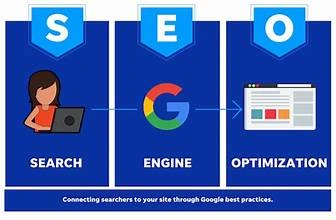
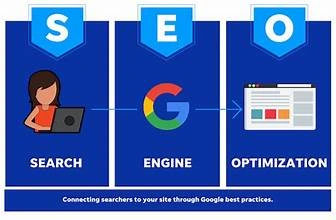
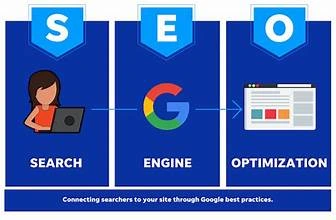
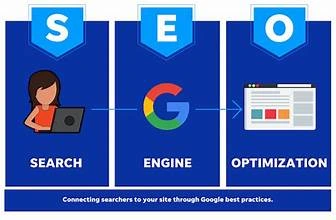
Search Engine Optimization (SEO) is the process of optimizing your website so that it ranks higher in search engine results pages (SERPs). The goal is to increase organic (non-paid) traffic by making your content relevant and valuable for users.
At its core, SEO is about understanding two things:
- What users are searching for
- How search engines rank content
SEO involves multiple techniques, including keyword research, content optimization, technical improvements, and link building. It ensures that your website is easy to find, easy to navigate, and useful for visitors.
WHAT IS SEO , SEO is a bridge between your website and your audience. Without it, even the best website may never reach its potential.
3. Why SEO Matters for Your Business
SEO is one of the most powerful tools for business growth. Here’s why it matters:
1. Increased Visibility and Traffic
Most users click on results from the first page of search engines. SEO helps your website appear at the top, increasing your visibility and traffic.
2. Builds Trust and Credibility
Websites that rank higher are often perceived as more trustworthy. SEO helps build authority through quality content and backlinks.
3. Cost-Effective Marketing
Unlike paid ads, SEO does not require continuous spending. Once your website ranks well, it can generate traffic for months or even years.
4. Better User Experience
SEO involves optimizing website speed, mobile responsiveness, and structure, which improves overall user experience.
5. Higher Conversion Rates
SEO targets users who are already interested in your products or services, leading to better conversion rates.
4. The Three Pillars of SEO
SEO is built on three main pillars:
1. On-Page SEO
This focuses on optimizing content and elements on your website.
Key factors include:
- Keyword usage
- Title tags and meta descriptions
- Headings (H1, H2, H3)
- Internal linking
- Image optimization
On-page SEO ensures that your content is relevant and easy to understand for both users and search engines.
2. Off-Page SEO
Off-page SEO refers to actions taken outside your website to improve rankings.
Key strategies include:
- Backlink building
- Guest posting
- Social sharing
- Brand mentions
Backlinks act as “votes of confidence,” signaling to search engines that your content is valuable.
3. Technical SEO
Technical SEO focuses on improving the backend of your website.
Important aspects include:
- Website speed
- Mobile-friendliness
- Secure connection (HTTPS)
- XML sitemap
- Crawlability and indexing
Technical SEO ensures that search engines can easily access and understand your website.
5. How Search Engines Actually Work
Search engines like Google use complex algorithms to deliver the most relevant results. The process involves three main steps:
1. Crawling
Search engines use bots (also called spiders) to scan websites and discover new content.
2. Indexing
Once a page is crawled, it is stored in a database called the index. Only indexed pages can appear in search results.
3. Ranking
Search engines rank pages based on factors like:
- Relevance to the query
- Content quality
- Website authority
- User experience
The goal is to provide users with the best possible answer to their search queries.
6. The Evolution of SEO
SEO has changed significantly over the years.
Early SEO (Keyword Stuffing Era)
In the past, websites could rank simply by stuffing keywords into content. This led to poor user experience.
Algorithm Updates
Search engines introduced updates like Panda and Penguin to improve content quality and penalize spammy practices.
Modern SEO
Today, SEO focuses on:
- User intent
- High-quality content
- Mobile-first indexing
- Page experience
Future of SEO
The future of SEO includes:
- Voice search optimization
- AI-driven search results
- Visual search
- Personalized search experiences
SEO is no longer just about keywords—it is about delivering value.
7. Measuring SEO Success
To understand whether your SEO efforts are working, you need to track key metrics:
1. Organic Traffic
The number of visitors coming from search engines.
2. Keyword Rankings
Your position in search results for target keywords.
3. Bounce Rate
The percentage of users who leave your site without interaction.
4. Conversion Rate
The percentage of visitors who complete a desired action.
5. Backlinks
The number and quality of links pointing to your website.
Tools like Google Analytics and Google Search Console can help you monitor these metrics.
8. The Bottom Line
SEO is not a one-time task—it is an ongoing process. It requires consistent effort, regular updates, and a focus on quality.
If you want long-term success online, SEO is one of the best investments you can make. It helps you attract the right audience, build trust, and grow your business sustainably.
9. Conclusion
Search Engine Optimization is a powerful strategy that can transform your online presence. By understanding its fundamentals and applying the right techniques, you can improve your website’s visibility and achieve higher rankings on search engines.
Focus on creating valuable content, optimizing your website, and providing a great user experience. Over time, these efforts will lead to increased traffic, better engagement, and higher conversions.
SEO may take time, but the results are worth it.
10. Frequently Asked Questions (FAQs)
1. What is SEO in simple words?
SEO is the process of improving your website so that it appears higher in search engine results and gets more traffic.
2. How long does SEO take to show results?
SEO is a long-term strategy. It usually takes 3 to 6 months to see noticeable results.
3. Is SEO better than paid ads?
Both have their advantages. SEO provides long-term results, while paid ads give immediate visibility.
4. What are keywords in SEO?
Keywords are the words or phrases that users type into search engines.
5. Can I do SEO myself?
Yes, with the right knowledge and tools, you can implement basic SEO strategies yourself.
6. What is the most important SEO factor?
High-quality, relevant content is the most important factor.
7. Does SEO work for small businesses?
Yes, SEO is highly effective for small businesses as it helps them compete with larger companies.
8. What is local SEO?
Local SEO focuses on optimizing your website for location-based searches.
9. How often should I update my content?
Regular updates are recommended to keep your content fresh and relevant.
10. What is a backlink?
A backlink is a link from another website to your website.
11. What is SEO and why is it important?
What is SEO and why it is important comes down to visibility and growth. SEO helps businesses attract organic traffic, build trust, and generate leads without relying on paid ads.
12. What is SEO with an example?
What is SEO can be understood with an example: if you search “best shoes online” and a website appears on the first page, that website is using SEO to rank higher.
13. What is SEO for beginners?
What is SEO for beginners means understanding the basics like keywords, content optimization, and backlinks to improve website ranking step by step.
14. What is SEO content writing?
What is SEO content writing refers to creating content that is optimized with keywords and structured in a way that helps it rank higher on search engines.
15. What is SEO and SEM?
What is SEO and SEM is a common comparison. SEO focuses on organic traffic, while SEM (Search Engine Marketing) includes paid advertising.
16. What is SEO optimization?
What is SEO optimization means improving different aspects of your website such as content, speed, and links to make it more search-engine friendly.
17. What is SEO strategy?
What is SEO strategy refers to a planned approach that includes keyword research, content creation, and link building to improve rankings.
18. What is SEO ranking?
What is SEO ranking means the position of your website on search engine results pages for a specific keyword.